Views: 0 Author: Site Editor Publish Time: 2026-09-08 Origin: Site
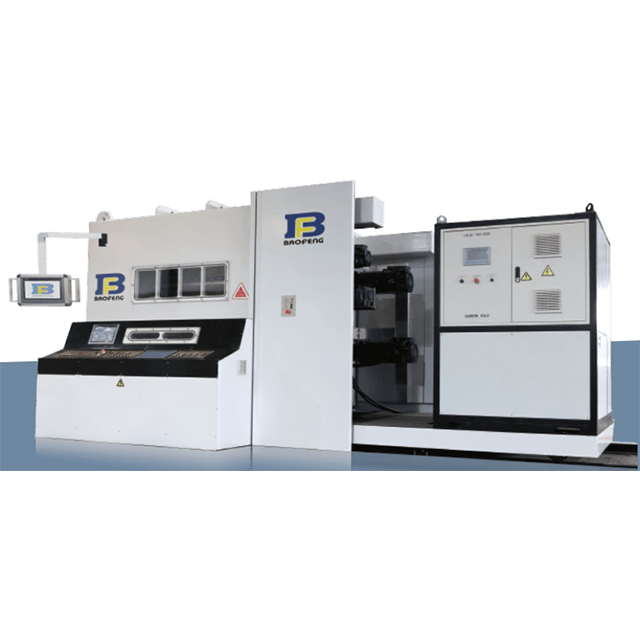
The increasing sophistication of global supply chain fraud requires brand protection strategies that go beyond standard print, necessitating physical, tamper-evident security layers at the substrate level. Brands constantly struggle to balance premium packaging aesthetics with robust security features. Traditional security labels often degrade brand presentation with overly utilitarian designs, while standard decorative labels offer zero protection against replication. Utilizing an Anti-Counterfeiting Metallizer bridges this gap, enabling the production of vacuum-coated, holographic, and barrier-enhanced metallized paper that secures the product while maintaining high-end visual appeal. This guide evaluates the technical criteria for implementing these solutions, focusing on substrate compatibility, machine integration, and multi-layered authentication tactics. We will examine how specific vacuum deposition techniques prevent forgery and protect brand equity on the retail shelf.
Dual-Functionality: Metallized paper generated through specialized anti-counterfeiting metallizer processes provides both premium decorative appeal (3D-like patterns) and verifiable security.
Integration Capability: High-performance metallized labels must seamlessly integrate with secondary authentication technologies, including RFID, NFC, hidden forensic features, and microtext.
Application Versatility: Selection depends heavily on application type—wet-strength, cut-and-stack, in-mold, or pressure-sensitive—dictating the required barrier properties and substrate specifications.
Risk Mitigation: Successful deployment requires strict control over production variables, from pre-coating preparation to vacuum-coating uniformity, to prevent label curling, registration errors, and adhesive failure.
Defining a successful security label requires establishing strict performance baselines on the packaging line. The label must provide immediate, visible tamper evidence upon attempted removal. It must remain structurally and visually irreproducible using standard commercial flexographic or digital printers. The security features must integrate seamlessly with the overall aesthetic of the packaging without looking like an afterthought. The substrate must demonstrate extreme durability under environmental stress, including high humidity, friction during transit, and prolonged UV exposure. Meeting these criteria demands advanced substrate engineering rather than simple surface printing.
The pre-metallization phase dictates the final quality of the security label. Base paper requires aggressive smoothing before any metal application occurs. Rough paper fibers cause uneven metallization, which destroys the optical clarity of holographic features. Plant operators execute a precise sequence to prepare the web:
High-Pressure Calendering: Heavy steel rollers compress the raw paper web to flatten the surface fibers and achieve uniform caliper thickness.
Primer Application: Coating stations apply specialized acrylic or polyurethane primers to seal the porous surface of the paper.
Thermal Curing: The web passes through multi-zone drying ovens to flash off solvents and cross-link the primer, creating an ultra-smooth foundation.
Moisture Profiling: Scanners measure the retained moisture in the web, ensuring it falls within the strict tolerances required for vacuum chamber processing.
This meticulous preparation maximizes the optical brilliance and ensures optimal anti-counterfeiting performance once the metal layer is applied.
Security packaging relies on three primary categories of metallized substrates. Each serves a distinct protective function depending on the product requirements.
This material provides the baseline for tamper-evident face stock. Inside the vacuum chamber, aluminum wire feeds onto ceramic boats heated to over 1400 degrees Celsius. The metal vaporizes and condenses onto the chilled paper web, forming a layer approximately 30 to 50 nanometers thick. This creates a highly reflective, metallic surface with a specific optical density. When combined with aggressive adhesives, the paper tears destructively if a counterfeiter attempts to peel it from the product. This physical destruction prevents label harvesting and unauthorized reuse.
This category offers the highest level of visual security. Manufacturers utilize an Anti-Counterfeiting Metallizer to emboss dynamic, three-dimensional optical variables directly into the substrate. The micro-embossing alters how light diffracts across the surface. These shifting patterns are impossible to scan or photocopy. Creating the master shims for these holograms requires advanced electron-beam lithography and electroforming. This heavy technical barrier makes unauthorized replication economically and technically prohibitive for fraudsters.
Some applications require security combined with physical product protection. Barrier-enhanced papers utilize thicker metal deposition or additional polymer coatings applied after metallization. These layers block moisture vapor transmission and prevent oxygen ingress. They also shield sensitive contents from UV light degradation. This dual-purpose substrate secures the brand identity while extending the shelf life of the enclosed product, making it ideal for pharmaceuticals and sensitive food items.
Designing for metallized substrates requires specific technical adjustments before plates are ever cut. Artwork must maximize the visual impact of holographic elements without overwhelming the consumer. Designers must strategically plan for non-metallized or clear zones within the layout. Highly reflective metallic surfaces often blind standard optical scanners used in retail and logistics. Leaving clear zones ensures that printed barcodes remain perfectly scannable under any lighting condition. Serialized QR codes used for track-and-trace systems also require high-contrast, non-reflective backgrounds to function correctly. Selective demetallization processes wash away the aluminum in precise areas to accommodate these digital tracking tools, requiring tight registration between the metallization and printing phases.
Transitioning to high-security labels carries operational risks on the packaging line. Establishing a strategic rollout plan mitigates these disruptions. Brands should deploy advanced metallized features across high-risk, high-margin product lines first. Target specific SKUs that suffer the highest rates of counterfeiting or diversion in known geographic markets. Monitor the supply chain closely during the initial rollout using field inspectors and consumer authentication scans. Measure the reduction in fraudulent incidents over a set quarter. Calculate the return on investment based on recovered revenue and reduced legal enforcement costs. Once the operational metrics stabilize and the ROI is proven, expand the deployment across the broader product portfolio.
Evaluating the base material is the first step in substrate selection. Paper and plastic film behave differently under tension and heat during the printing and application processes. The product lifecycle dictates the appropriate choice. Labeling machinery capabilities also constrain the selection. You must match the metallized substrate directly to the application method to avoid line jams and flagging.
Application Format | Substrate Requirement | Adhesive Type | Primary Use Case |
|---|---|---|---|
Wet-Strength | Alkaline sizing, polyamide-epichlorohydrin resins | Cold glue or casein-based | Beverage bottles, ice bucket exposure |
Cut-and-Stack | High stiffness, low static charge, curl resistance | Hot melt or cold glue | High-volume canned goods, jars |
In-Mold Labeling (IML) | Heat-resistant topcoat, compatible melt point | No adhesive (fuses to container) | Rigid plastic containers, drums |
Pressure-Sensitive | High internal tear strength, smooth release liner | Acrylic or rubber-based permanent | Pharmaceuticals, luxury cosmetics |
Modern brand protection relies on overlapping security features. Metallized paper acts as a highly effective foundational layer. It supports the integration of mechanical, digital, and hidden security technologies without compromising the primary visual authentication.
The top coatings applied over the metal layer accept various specialized inks. UV and IR reactive inks print cleanly over the metallized surface, remaining invisible under standard lighting. Microtext, printed at sizes below one point, embeds easily into the visual design using high-resolution flexographic plates. Furthermore, chemical taggants or DNA markers can be mixed directly into the pre-coating or overprint varnishes during the manufacturing stage. Field investigators use proprietary scanners to detect these forensic markers, providing definitive proof of authenticity in legal disputes.
Integrating digital tracking requires careful engineering. Embedding RFID or NFC tags beneath metallic layers presents a significant physics challenge. A continuous layer of aluminum creates a Faraday cage effect. This blocks the radio frequencies required to activate the tags and read the serialized data. To solve this, manufacturers use patterned metallization. They create microscopic gaps in the metal layer directly above the tag's antenna. This allows the radio signals to penetrate the substrate without compromising the visual metallic effect on the front of the label.
The quality of the security label depends entirely on the precision of the manufacturing equipment. Understanding the correlation between machine features and final outcomes allows packaging engineers to audit suppliers effectively.
The uniformity of the aluminum layer dictates the visual brilliance of the label. In the vacuum chamber, operating at extreme low pressures, aluminum wire feeds onto heated ceramic boats. The metal vaporizes and coats the moving web. If the deposition is uneven, the reflective surface appears cloudy or streaked. This inconsistency degrades the optical clarity of the security features. Precise tension control via load cells and uniform chilling rollers operating at sub-zero temperatures are required to maintain a consistent nanometer-thick metal layer across the entire web width.
The complexity of the holographic security patterns depends on the micro-embossing capabilities of the equipment. High-resolution embossing transfers intricate, sub-micron structures from the master shim to the substrate under immense pressure and controlled heat. These microscopic grooves diffract light to create dynamic optical variables. Lower resolution equipment produces static, dull holograms that are easier to counterfeit. High-end equipment ensures sharp, bright, and highly complex light diffraction that shifts fluidly as the viewing angle changes.
Security features must not bottleneck packaging operations. Evaluate the throughput of roll-to-roll metallization processes against your high-volume packaging demands. The equipment must maintain web speeds of hundreds of meters per minute without losing embossing registration or metal uniformity. Furthermore, evaluate changeover times. Multi-SKU brand protection strategies require frequent swapping of custom holographic masters. Fast changeover mechanisms, such as sleeve-based embossing rollers, reduce machine downtime and improve overall operational efficiency for short-run custom security labels.
Implementing advanced security labeling requires analyzing upfront investments against long-term savings. Creating custom holographic mastering involves significant initial expenditure. The specialized lithography required to originate the optical designs is resource-intensive and requires highly skilled technicians. However, once the master shims are produced, the per-unit cost of roll-to-roll metallization drops dramatically at scale. The upfront costs must be weighed against the long-term reduction in counterfeiting losses, supply chain diversion, and the administrative burden of fighting fraudulent claims.
Calculating the return on investment involves multiple factors beyond simple unit cost. Deterred fraud directly preserves top-line revenue. Preventing counterfeit goods from entering the market protects brand equity and consumer trust. A single high-profile counterfeiting incident can destroy years of brand building and result in massive product recalls. Additionally, the high-end packaging aesthetics enabled by metallized substrates often justify premium retail positioning. The combination of recovered revenue, reduced liability, and premium positioning drives a strong ROI for the packaging upgrade.
Corporate ESG targets heavily influence packaging material selection. Brands must evaluate the trade-offs between plastic-based security films and metallized paper. Vacuum-coated aluminum paper offers superior environmental performance. The metal layer is microscopic, typically representing less than one percent of the total material weight. Because of this, metallized paper can be processed in standard municipal paper recycling streams. The aluminum oxidizes and washes away during the repulping process. In contrast, traditional multi-layer foil laminates and metallized PET films are notoriously difficult to recycle, require specialized separation facilities, and often end up in landfills.
Deploying new substrates introduces variables onto the packaging line. Identifying these risks early prevents costly production halts and wasted materials.
Improper moisture control during the metallization process is the leading cause of label failure. The vacuum chamber exposes the paper to extreme heat and zero humidity. The paper fibers lose moisture rapidly and contract. If the manufacturer does not properly re-moisturize the web using steam boxes after metallization, the paper will curl. Curled labels jam application machinery, fail to dispense from release liners, and flag off the product surface after application.
Highly reflective substrates interfere with standard optical sensors on packaging lines. The sensors struggle to identify the edge of the label or the printed registration marks due to light scatter. This causes alignment issues during cut-and-stack operations. It also leads to misplaced labels during in-mold application. Misaligned labels result in unacceptable aesthetic defects, barcode scanning failures, and wasted product.
Proactive engineering solves these application challenges before they reach the production floor. Implement the following controls to ensure smooth operation:
Risk Factor | Root Cause | Engineering Mitigation |
|---|---|---|
Ink Flaking | Low surface energy on topcoat | Specify optimal dyne levels (e.g., 38-42 dynes) for the top coating to ensure aggressive ink adhesion. |
Label Flagging | Moisture imbalance or weak adhesive | Conduct pilot runs to verify adhesive curing times across different environmental temperatures and humidity levels. |
Sensor Blinding | High reflectivity of metallized surface | Upgrade optical sensors on labeling machinery to capacitive or ultrasonic variants that ignore surface reflectivity. |
Delamination | Poor internal bond strength | Test wet-strength retention by submerging labeled bottles in ice water for 48 hours prior to full-scale deployment. |
Metallized paper produced via dedicated vacuum deposition equipment is a mandatory consideration for high-risk, high-margin products. It successfully bridges the gap between premium shelf appeal and robust fraud protection. Procurement and packaging engineering teams must evaluate suppliers rigorously. Shortlist vendors based on their ability to originate custom holographic masters in-house. Demand empirical data verifying wet-strength performance across various application formats. Ensure the vendor can prove substrate compatibility with your existing secondary security features, including RFID, NFC, and chemical taggants.
To initiate the transition to secure metallized labeling, execute the following steps:
Conduct a comprehensive vulnerability audit of your current packaging to identify the weakest points in your physical security.
Request unprinted metallized substrate samples from vendors to conduct immediate line trials on your existing application machinery.
Verify optical sensor compatibility on your labeling equipment and upgrade to ultrasonic sensors if the reflective surface causes registration errors.
Perform accelerated environmental stress testing on the adhesive bonds to ensure tamper-evident functionality remains intact under extreme humidity and temperature fluctuations.
A: It is specialized industrial equipment used to apply a micro-thin layer of metal, usually aluminum, onto substrates within a vacuum chamber. The process incorporates high-resolution micro-embossing to create dynamic holographic patterns directly in the metal layer. These complex optical variables are nearly impossible for counterfeiters to replicate, providing robust physical security for packaging.
A: Metallized paper uses significantly less metal than traditional foil laminates. The aluminum layer is only nanometers thick. This makes the material much lighter and highly recyclable in standard paper streams. Furthermore, the vacuum deposition process allows for the integration of complex, dynamic holography, whereas standard foil is limited to flat, static reflectivity.
A: Yes, but it requires specific engineering. A solid metallic layer creates a Faraday cage effect, which blocks the radio frequencies needed to read the tags. To solve this, designers use selective demetallization to create microscopic gaps or windows in the metal layer. This allows the antennas to transmit signals without ruining the label's aesthetic.
A: These substrates are ideal for high-end, high-risk products where brand authentication is critical. Common applications include premium spirits and wines, pharmaceutical packaging, luxury cosmetics, and OEM automotive parts. They are typically deployed using pressure-sensitive adhesive rolls or high-speed cut-and-stack formats depending on the container type and production line speed.
A: Yes, when engineered correctly. Wet-strength metallized paper utilizes specific alkaline sizing and specialized resins in the base paper. These chemicals prevent the paper fibers from absorbing water and swelling. This allows the label to survive prolonged submersion in ice buckets or heavy condensation environments without delaminating or losing its security features.
A: It offers significant environmental benefits compared to heavy foils or multi-layer plastics. The substrate typically contains less than 1% metal by weight. Because the metal layer is so thin, it oxidizes easily during the repulping process. This allows the material to be processed efficiently in standard municipal paper recycling streams, supporting corporate sustainability targets.